Introduction: Communities as Drivers of Child Wellbeing
Across the world, communities play a crucial role in shaping the environments where children grow, learn, and develop. Families, caregivers, teachers, and local leaders all influence the well-being of children in powerful ways. When communities are empowered to lead change, they can create lasting solutions that address the challenges children face.
Many initiatives aimed at improving child well-being have traditionally been designed and implemented by external organizations. While these efforts often bring valuable expertise and resources, they may not always fully capture the local realities that shape children’s lives. Empowering communities to lead change ensures that solutions are grounded in local knowledge, cultural understanding, and lived experience.
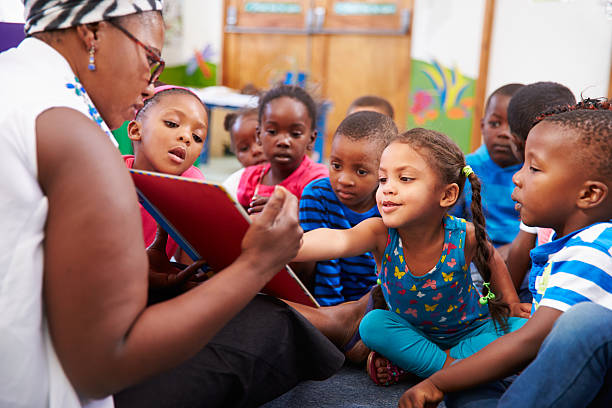
Communities possess deep insight into the issues affecting their children. They understand the social dynamics, traditions, and barriers that influence child development. This knowledge allows them to design programs that are both relevant and effective.
When communities are given the opportunity to lead, they often develop innovative solutions that reflect their unique contexts. These solutions may involve strengthening family support networks, improving local childcare services, or creating safe community spaces where children can learn and grow.
Empowerment begins with building the capacity of grassroots organizations. Many local organizations are already working tirelessly to support children and families. However, they may face challenges related to limited funding, technical expertise, or organizational infrastructure.
Providing training, mentorship, and resources helps these organizations strengthen their leadership and management capabilities. With the right support, grassroots organizations can design and implement programs that reach more children while maintaining high-quality standards.
Empowering communities also means encouraging inclusive participation. Women, youth, caregivers, and community elders all have valuable perspectives that should be included in decision-making processes. When diverse voices are represented, solutions become more comprehensive and equitable.
Participation also fosters a sense of collective responsibility. When community members actively contribute to solutions, they develop a stronger commitment to protecting and supporting children. This collective effort creates a culture where child well-being becomes a shared priority.
Partnerships are another essential component of community-led change. Collaboration between local organizations, government agencies, academic institutions, and international partners can bring together a wide range of expertise and resources.
However, effective partnerships must be built on mutual respect and shared goals. Rather than imposing external solutions, partners should focus on strengthening local leadership and supporting community-driven initiatives.
Leveraging Technology and Knowledge Sharing
Technology and knowledge-sharing can also play a role in empowering communities. Access to information, training materials, and communication platforms can help local leaders learn from successful initiatives in other regions. This exchange of knowledge allows communities to adapt proven ideas while tailoring them to their specific contexts.
Conclusion: Sustainable Change Begins Within Communities
Ultimately, empowering communities to lead change is about recognizing that sustainable solutions come from within. When communities have the confidence, skills, and resources to shape their own future, they create systems that protect children and strengthen families for generations to come.